

What service do you need?
Can you proofread this for me?
Many people use the term proofread when they want someone to check and improve text to make sure it is clear and accurate. There are, however, different levels of editing and proofreading that support authors’ requirements.
Traditional publishing
Traditional publishing has several steps:
- developmental (or structural) editing – looks at the big picture to ensure that the flow, content and messages are clear
- copyediting – works with text at sentence level to improve use of words, grammar and punctuation, checking references and preparing the copy (content) for publication
- proofreading – provides the final check and opportunity to make corrections to text after it has been formatted, ahead of printing.
Definitions of the different levels of editing (and many other terms) can be found in the Chartered Institute of Editing and Proofreading’s glossary of editorial and publishing terms.
Evolving process
As technology and processes have evolved, the lines between these services have blurred and, of course, not all text is formally published.
Editors offer combinations of services to fit authors’ requirements, including a hybrid proofedit. This service is available for an almost finalised text that needs greater intervention than a proofread would allow, e.g. unedited text set within a PDF or text that is written and will remain within a Word document.
Some editors (especially those working with fiction texts) define copyediting as the more technical aspect of editing and offer a separate line editing service that looks at the sentence-level style of wording. (My service offers copyediting to incorporate both elements, although I can give one aspect a greater focus if requested.)
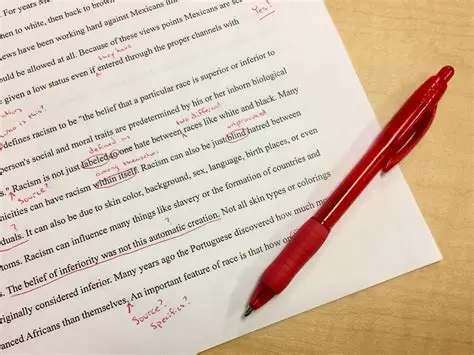
Some editors offer further services such as:
- fact checking – confirming the accuracy of facts, names and dates
- sensitivity/authenticity reading – identifying bias, insensitivity and stereotypes.
My editorial services
Non-fiction developmental editing
- Are you too close to your text and need help to be sure everything is in place?
- Is your argument clear and understandable to your audience?
- Does your text flow smoothly or do you need help with its structure?
Any kind of writing will go through a developmental phase that considers structure, tone and content and whether text meets the needs of its audience.
Developmental editing can be helpful as it provides an independent perspective that either confirms that objectives are being met or identifies ways of improving the message. It looks at the big picture and considers the purpose of the text, what it is trying to achieve, the central argument and whether the message is clear to its audience.
Non-fiction copyediting
- Does your document need copyediting or proofreading before it is finalised?
- Have you made style decisions for consistency of spelling, grammar and punctuation?
- If your document has been written by multiple authors, does it have a shared style and approach?
Often people ask for draft text to be proofread when they want a detailed assessment of language, consistency, grammar and punctuation. As proofreading was traditionally the final stage of the publishing process – when the type had been set – the options for change were limited. It is more likely it is the earlier stage of copyediting they are seeking.
As copyediting usually follows the developmental editing stage, I could combine these services. As I would already be familiar with the text, I would not need to spend time, during the second edit, to understand the document’s purpose.