

Questions
- Are you too close to your text and need help to be sure that everything is in place?
- Is your argument clear and understandable to your audience?
- Does your text flow smoothly or do you need help with its structure?
What is developmental editing?
Any kind of writing will go through a developmental phase that considers structure, tone and content and whether text meets the needs of its audience. Developmental editing can be helpful as it provides an independent perspective that either confirms that objectives are being met or identifies ways of improving the message.
Developmental editing: the stage after a text has been written and before copyediting.
In non-fiction, it aims to help an author clarify their message effectively for the intended audience.
Chartered Institute of Editing and Proofreading glossary of editorial and publishing terms
Developmental editing (sometimes called structural editing) looks at the big picture. It considers the purpose of the text, what it is trying to achieve, the central argument and whether the message is clear to its audience.
The five principles of developmental editing are:
- content – a consistent approach, whether formal, serious or friendly
- flow – smooth transitions that provide a clear, logical, evidenced and persuasive argument
- structure – chapters/sections that have a purpose and build on each other
- clarity – ideas presented clearly that readers can follow and use to draw conclusions
- tone – the transition of ideas that develop the text’s central argument.
My experience of developmental editing
I have over 25 years of experience in developing non-fiction texts. This has included assessing and shaping bids/grant applications, project technical and evaluation reports, academic papers/deliverables, case studies, business reports, guides, book manuscripts, training materials and web content.
I have worked with many multi-author texts, often written in a second language, and provided structure, clarity and flow to the final versions.
As a project manager, I have provided developmental editing guidance to authors, including linking findings and recommendations to achieve objectives.
This background, together with my own writing experience, means that I can identify what is working well and areas that need attention to maximise the impact of the text and its message.
I have also completed the CIEP Non-Fiction Developmental Editing course.
Your comments/insights were brilliant and spot-on. So nice to get directive feedback rather than general comments like ‘lose 300 words’ or ‘re-organise’!
Professor David Bek, Coventry University. Lead author of the UK City of Culture 2021 environmental focus study report
Huge thanks – the document looks a million times better for your editorial insights over the last 3 or 4 months.
I genuinely wish your services were on tap for all our report writing/blog writing etc. I have learned a lot through the process of shaping up this report from you.
Case studies
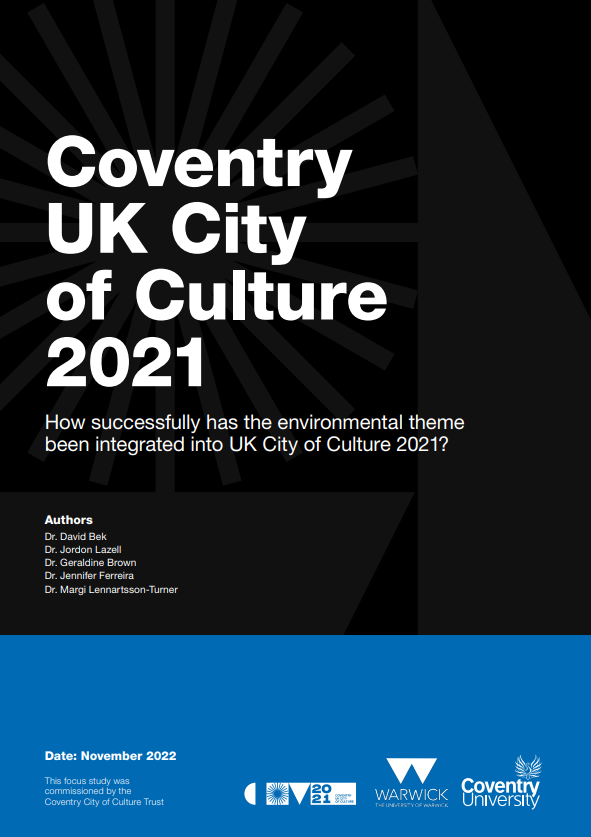
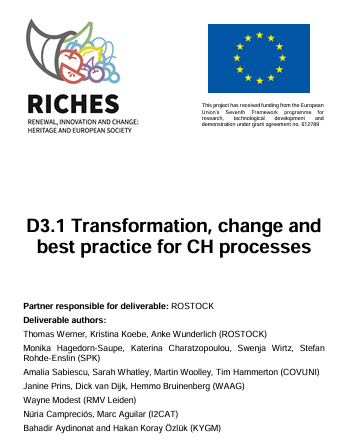
The featured case studies provide examples of my developmental editing for European Commission funded research projects, UK City of Culture 2021 evaluation reports and E-learning content creation lessons.
The suggestions you make are all gold-dust and I am sure will raise significantly the appeal of the book.
The work you put in was amazing. And you have a kind way of giving strong feedback.
Gavin P Fraser. Following a manuscript assessment of his book – The Nine Values that Shaped Great Britain.
How I can help
I recognise that you have spent time and effort to develop your ideas. I also know that it can be difficult to review your own text or its flow when you are so close to it: you know what you intended to say but, would a reader fully understand your message?
At this stage, a new perspective can help to reassure you and offer suggestions and options.
Initial discussion
We can start with a free 30-minute exploratory call to get to know each other and discuss your requirements and the help that I can offer.
You can tell me about your work – its length, format and audience, as well as any specific requirements. The next stage is for me to see text from different parts of the document; I can then assess the level of support and time needed for editing.
We can then agree responsibilities, the level of support needed, timeline and cost to form a written brief.
Edit and return
Once you have sent me the files, I will confirm receipt and that I can access everything. I will review the work and keep you informed of progress and/or any issues that may arise.
I will aim to return the work by the agreed date. We could add another call to discuss the text and my suggestions.
You will then have the choice on how you implement any ideas and recommendations.
If I discover that the brief doesn’t fully cover the work needed, I will contact you immediately to discuss options.
Support options
My approach to developmentally editing your text will be tailored to meet your needs. Options can include one or a combination of:
- a manuscript assessment
- a report that details my findings on how effective your text is in meeting its objectives
- suggestions provided using Word’s tracked changes
- a full edit with interventions made that move sections of text around to enhance the message
- writing a small amount of text to link content together.
We can also agree on the number of rounds of revision you might need, e.g. you might revise the text and then ask me to review it again.
You might want to use my familiarity with the text and ask me to copyedit it. This would look at sentences, grammar, punctuation and consistency ahead of publication.
Cost of developmental editing
The cost of the work will depend on factors that include the stage of the text’s development, timescales and the best editorial option for you. There is no standard price, but before starting we will agree the brief for the work to be done and a related fee.
My hourly rate is guided by the minimum recommendations made by the Chartered Institute of Editing and Proofreading. For developmental editing (from 1 March 2025) this is £41.10 per hour.
CIEP professional practice code
I am committed to the CIEP’s Membership Codes, including its Professional Practice Code.